SAFETY FIRST ✦
Housekeeping · #1
Correct stacking prevents collapse
Secure coils and material according to approved stacking arrangements; keep traffic routes open.
Practical reminders for safer work in CRM-III. Share one with your team during the toolbox talk.
Secure coils and material according to approved stacking arrangements; keep traffic routes open.
Keep hands away from nip points, pinch points and moving strip. Stop and isolate before intervention.
Before starting a job, identify your nearest safe exit and applicable emergency assembly point.
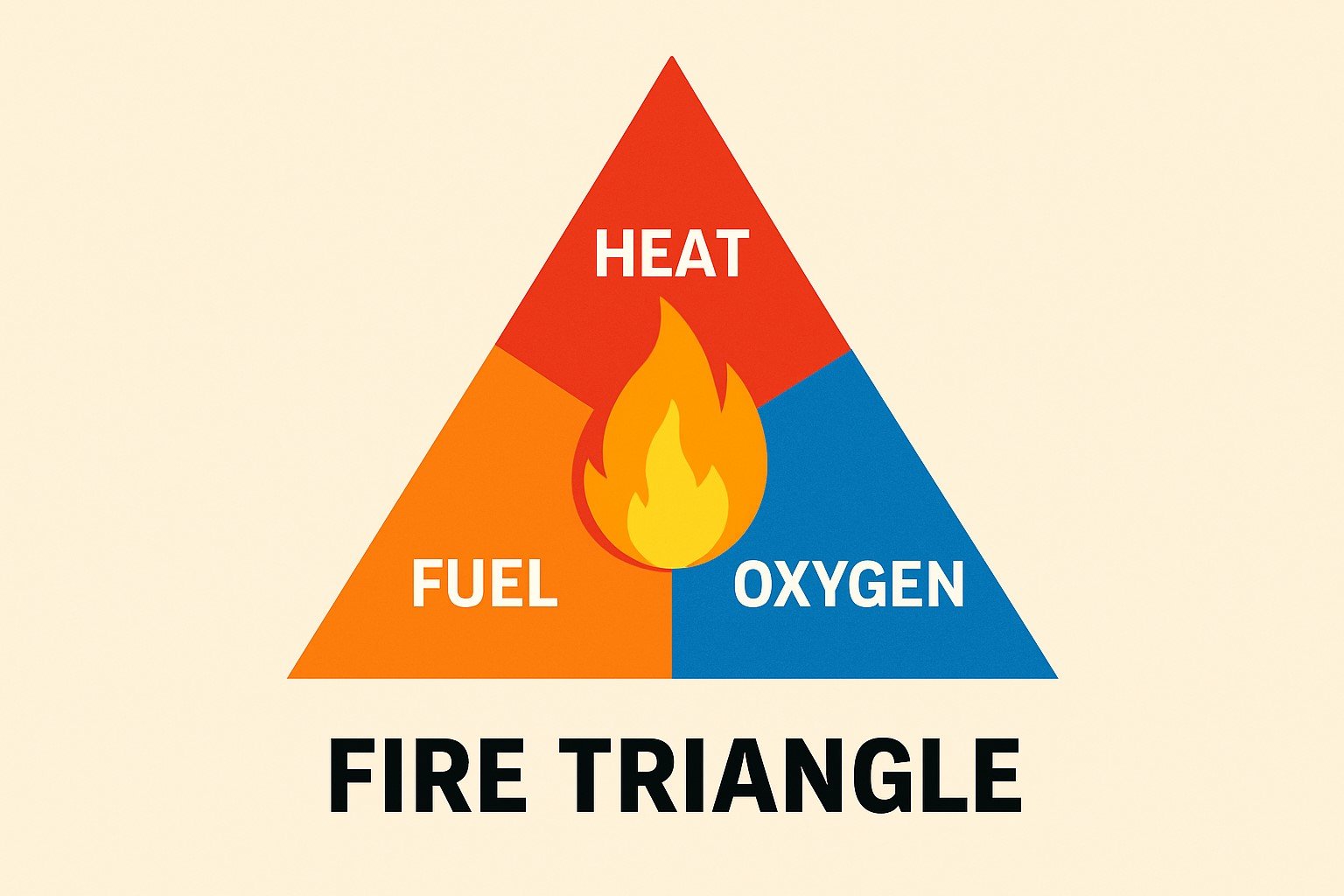
Control combustibles, ignition sources and required fire protection under the approved hot-work permit.
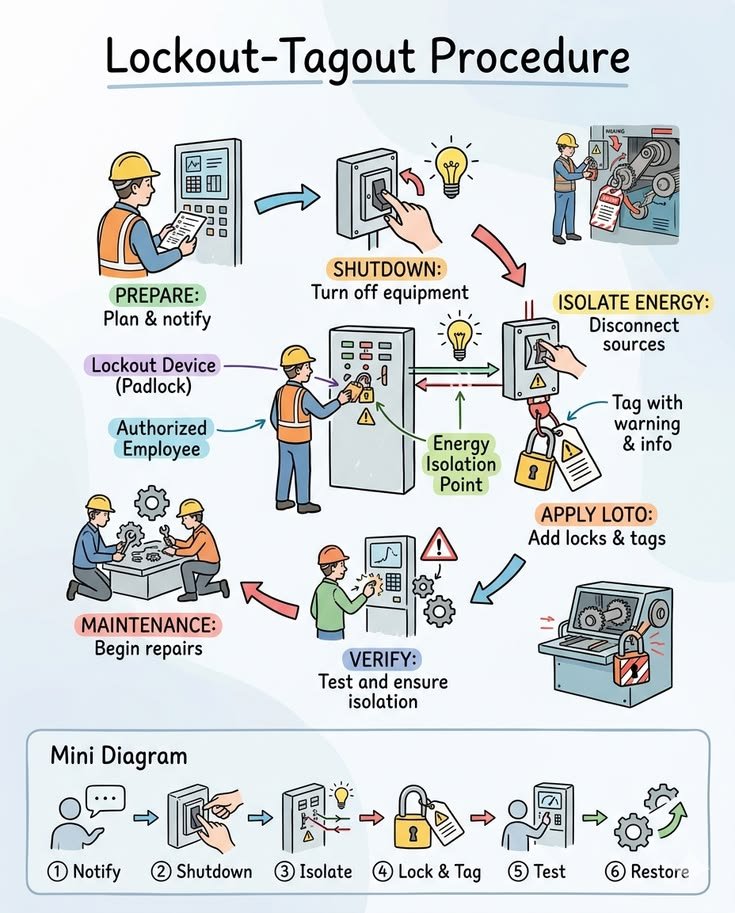
An HMI OFF indication is not isolation. Authorized personnel must verify the safe condition.

Gloves can entangle near rotating machinery. Follow the task-specific assessment and isolation procedure.
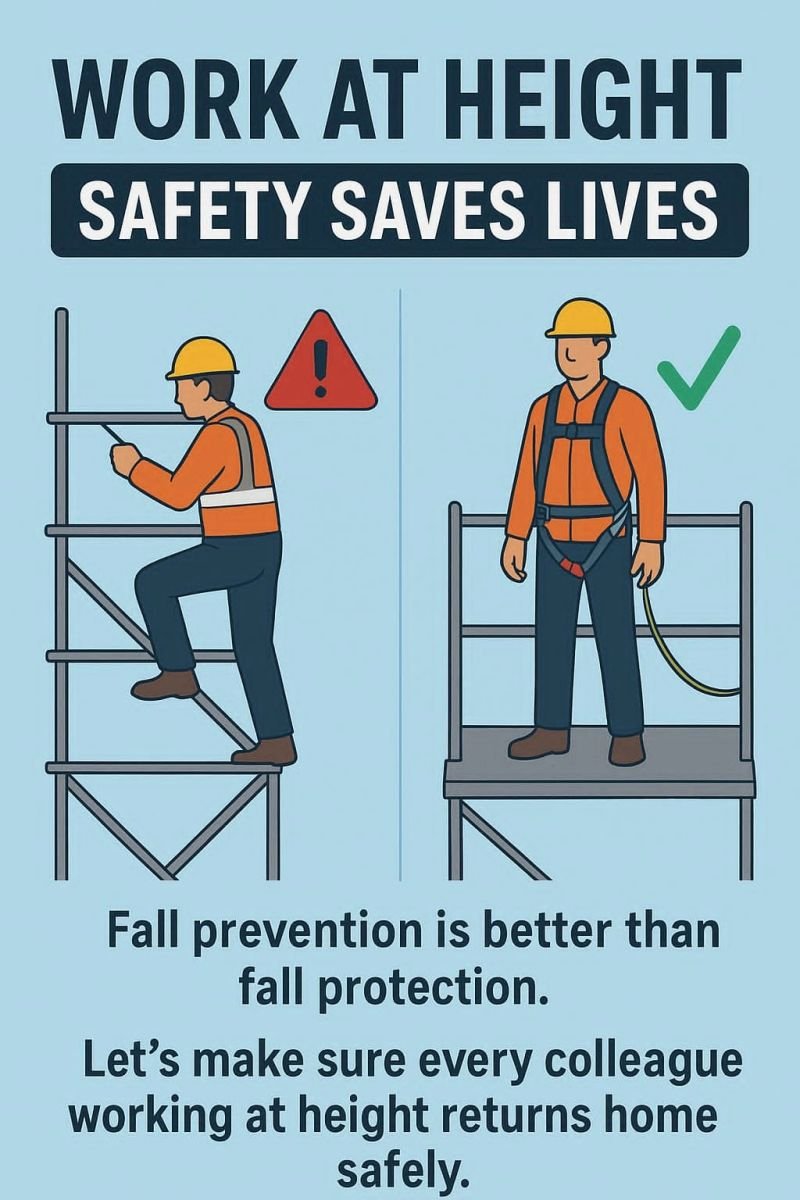
An inspected harness alone is insufficient: use a suitable approved anchorage and rescue plan.
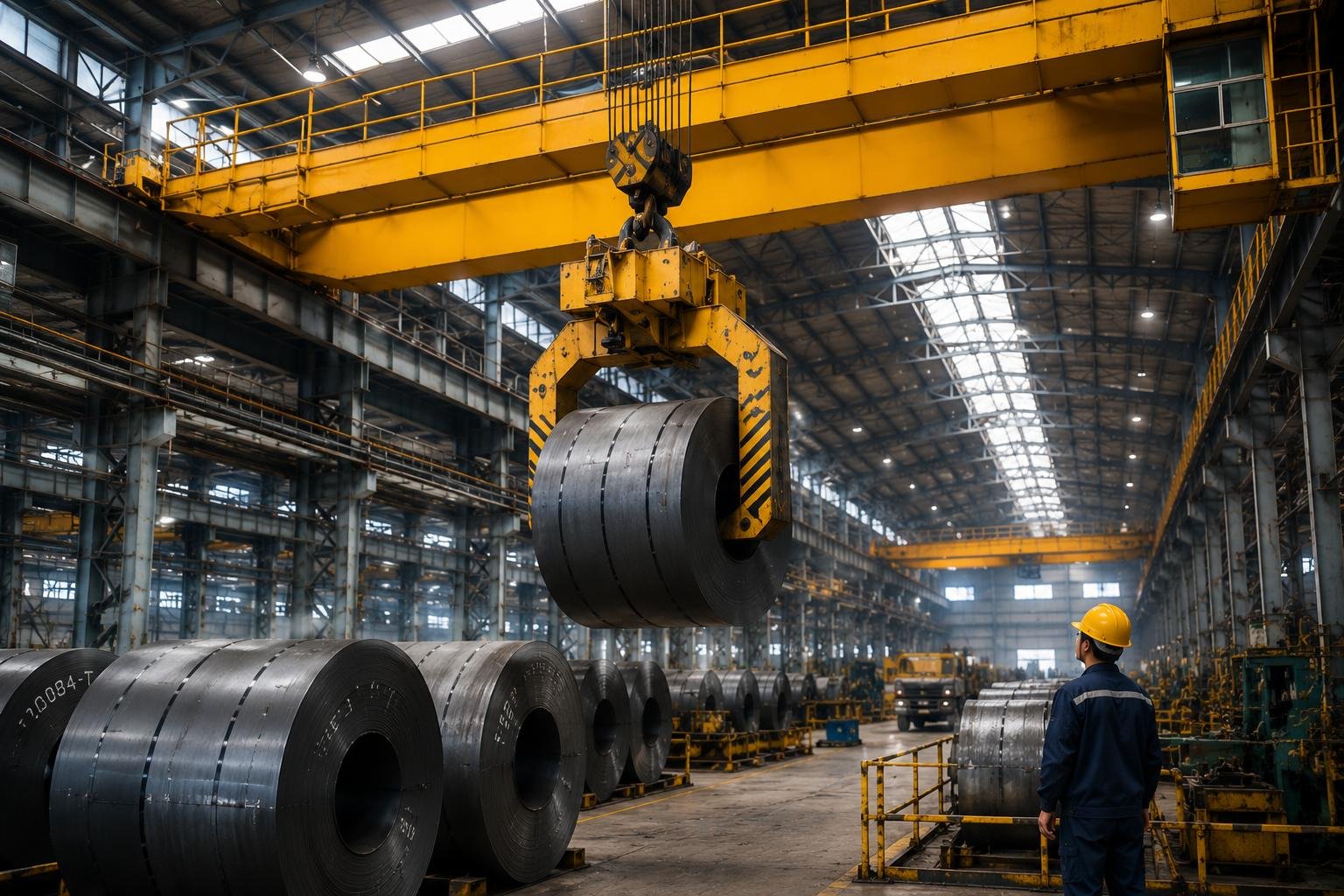
Keep the entire lifting zone clear until the load is landed and secured.
Report and control oil, water or chemical spills using the site procedure; keep walkways clear.
Communicate open permits, isolation status, equipment defects and temporary safeguards during shift handover.
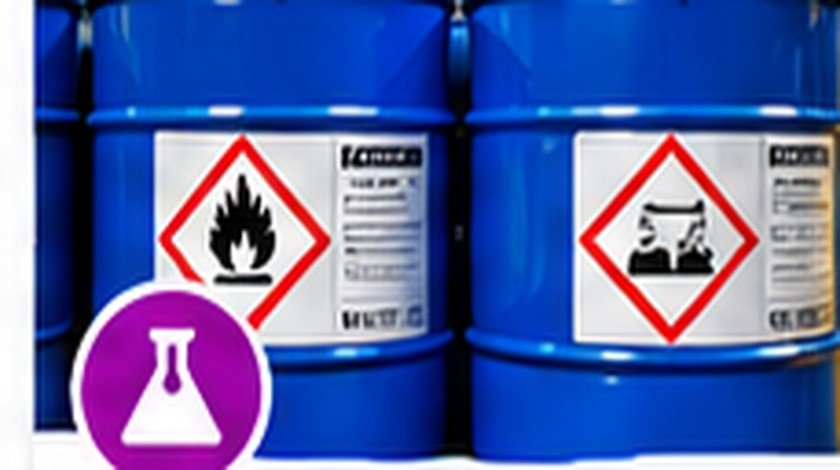
Know the SDS, eyewash location, suitable PPE and approved emergency response before handling chemicals.
Do not bypass guards or safety interlocks to restore production. Follow approved maintenance and authorization procedures.
Fire equipment, exits, hydrants and escape routes must remain accessible.
If gas leakage is suspected, follow the plant emergency procedure; do not operate switches or create ignition sources in the affected area.
When working at height, secure tools and barricade the drop zone to protect people below.
Never enter without required permit, atmospheric testing, standby arrangements and rescue readiness.
Stored hydraulic, pneumatic, spring or gravitational energy may remain after shutdown. Follow approved isolation and verification.
Confirm rated capacity, inspection status and lifting arrangement before the lift. Never stand under the load.
Identify hazards and apply engineering controls before relying on task-specific PPE.
Stay outside the travel path of moving coils, strips and suspended loads. Never cross a barricaded lifting zone.
Do not operate equipment with missing or defective guards. Report the condition through the authorized plant process.
Before maintenance, follow approved isolation and verification procedures; an emergency stop alone is not sufficient.
Never enter a lifting exclusion zone or stand below a suspended load. Follow the approved lifting plan.