🧯 Fire Extinguishers in Steel Industry
Learning objective: Identify the type of fire, choose the correct extinguisher, and understand how to use it safely.
1. 🔥 Know the Type of Fire
| Fire type | What is burning? | Steel-plant example |
|---|---|---|
| Class A | Ordinary solid materials | Paper, wood, cloth, packaging |
| Class B | Flammable liquids | Paint, solvents and certain flammable oils |
| Class C | Flammable gases under common Indian classifications | LPG or hydrogen where present |
| Class D | Combustible metals | Specific combustible-metal materials, where present |
| Electrical fire | Energised electrical equipment | Electrical panels, motors, control cabinets |
| Class F | Cooking oils and fats | Kitchen or canteen cooking equipment |
Remember: Fire-class labels vary by standard. In some Indian systems, electrical fires are labelled Class E. Always check the extinguisher label and follow the plant-approved classification.
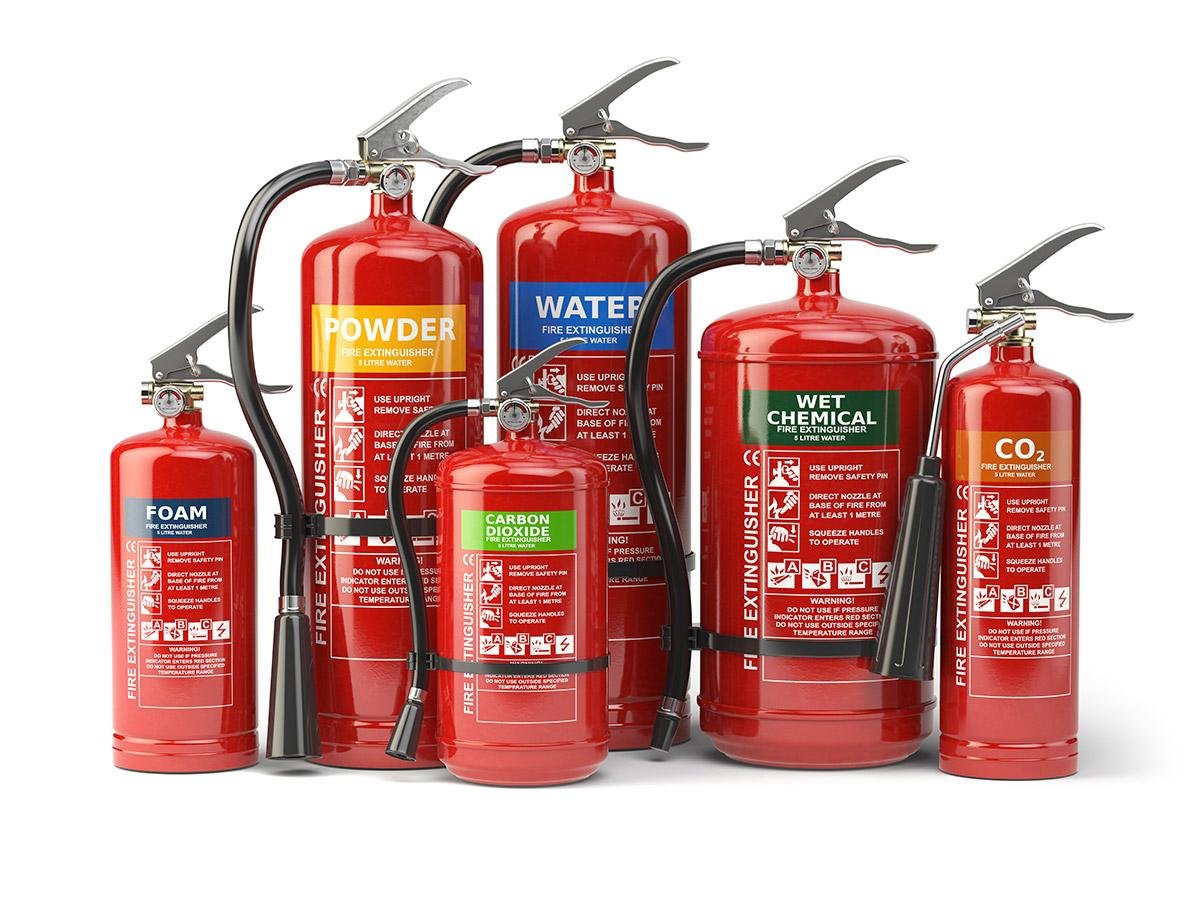
2. 🧯 Which Extinguisher Should Be Used?
| Extinguisher | Suitable for | Important caution |
|---|---|---|
| Water | Class A, if labelled for it | Never use on energised electrical equipment or flammable-liquid fires. |
| Foam | Class A and certain Class B fires, as labelled | Do not use on energised electrical equipment unless specifically rated for that use. |
| CO₂ | Suitable electrical equipment fires and certain Class B fires | Limited effectiveness outdoors; risk of asphyxiation in confined spaces. The discharge horn can become very cold. |
| ABC dry chemical powder | Class A, B and C fires where the label confirms suitability; may be rated for electrical hazards | Powder can reduce visibility and damage sensitive machinery or electrical components. |
| BC dry chemical powder | Class B and C fires where labelled | Not intended for Class A deep-seated fires. |
| Wet chemical | Class F cooking-oil and fat fires | Not a general-purpose extinguisher for steel-plant process fires. |
| Special Class D powder | Only the specific combustible metal named or covered by its rating | Do not use ordinary water or a general-purpose extinguisher unless the approved procedure specifically permits it. |
3. 🏭 Practical Examples in CRM-III
- Paper or packaging fire: A suitable water or ABC extinguisher may be used if the fire is small and conditions are safe.
- Electrical panel or motor fire: Raise the alarm. Use only an extinguisher approved for the electrical hazard, such as appropriately rated CO₂ or dry chemical powder, if trained and safe to do so.
- Oil or solvent fire: Use a correctly rated foam or dry chemical extinguisher. Never throw water onto a flammable-liquid fire.
- Hydrogen or LPG fire: Raise the alarm, keep people away and inform the emergency team. The gas supply must be isolated by authorised, trained personnel when safe. Do not extinguish the flame if the gas continues to escape, because unburned gas may accumulate and explode.
Steel-plant rule: Never approach a suspected gas leak, pressurised system, large oil fire or fire involving process equipment to attempt firefighting yourself.
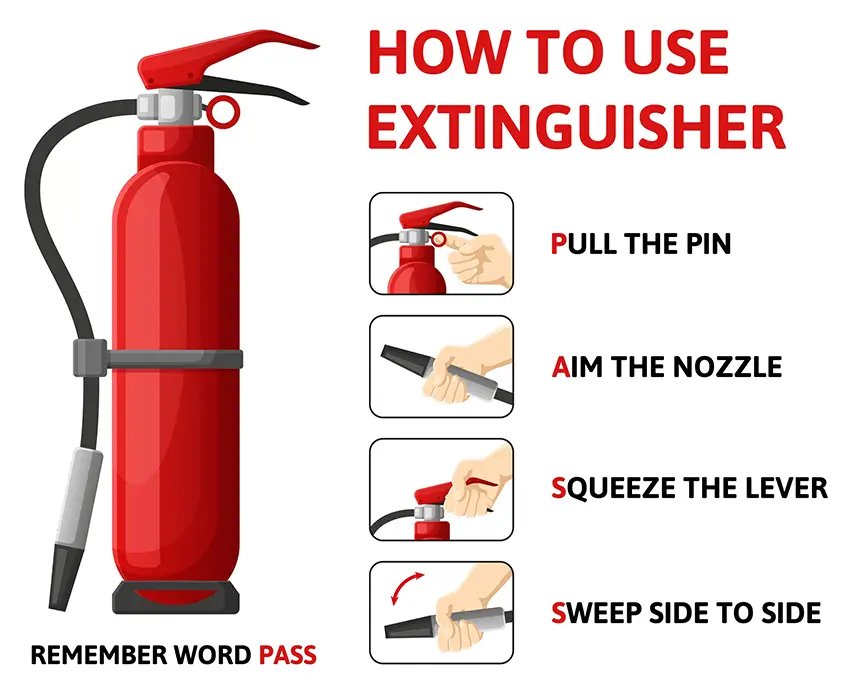
4. ✋ PASS Method — How to Operate an Extinguisher
Use this method only for a small, early-stage fire when you are trained, the extinguisher is suitable, the alarm has been raised, and you have a clear escape route.
- P — Pull: Pull the safety pin.
- A — Aim: Aim the nozzle at the base of the fire, not at the flames.
- S — Squeeze: Squeeze the operating handle to discharge the agent.
- S — Sweep: Sweep the nozzle from side to side across the base of the fire.
Keep your exit behind you. If the fire grows, smoke increases, the extinguisher empties without controlling the fire, or you feel unsafe, stop and evacuate immediately. Do not turn your back on the fire while retreating.
5. ⚠️ Before Using an Extinguisher
- Raise the alarm and alert nearby personnel first.
- Check the extinguisher label, rating, seal, pressure indicator where fitted, and physical condition.
- Keep a safe distance and follow the manufacturer's operating instructions.
- Do not block your escape route or enter smoke-filled areas.
- Never fight a fire alone when it could spread or involve gas, cylinders, high-voltage equipment or process hazards.
- After use, report the extinguisher immediately so it can be replaced or recharged.
6. 🧠 Learning Bites
- Learning Bite 1: The wrong extinguisher can make a fire more dangerous.
- Learning Bite 2: Water is not suitable for live electrical equipment or flammable-liquid fires.
- Learning Bite 3: CO₂ leaves little residue, but it can cause suffocation in confined spaces.
- Learning Bite 4: PASS means Pull, Aim, Squeeze, Sweep.
- Learning Bite 5: In a gas fire, controlling the fuel supply is critical. Do not extinguish the flame while gas continues to escape.
- Learning Bite 6: Your safety and escape route are more important than saving equipment.
Final Safety Message
Raise the alarm → Identify the hazard from a safe location → Use the correct extinguisher only if safe and trained → Evacuate when required.
This lesson is for awareness and does not replace approved BSL/CRM-III emergency procedures, extinguisher labels or practical firefighting training.