🔥 Hot Dip Galvanizing Line (HDGL) Safety
Safety message: Molten zinc, high temperatures and combustible gas systems can cause life-threatening incidents. Never enter a restricted area or intervene in equipment without authorisation.
A Hot Dip Galvanizing Line (HDGL) applies a protective zinc coating to steel strip to improve its corrosion resistance. Depending on the line design, the process may include strip entry, furnace heating, a molten zinc bath, coating-control equipment, cooling, inspection and recoiling.
The main hazards include molten zinc, hot surfaces, gas leakage, fire, moving strip, rotating rolls and unexpected energy release during maintenance.
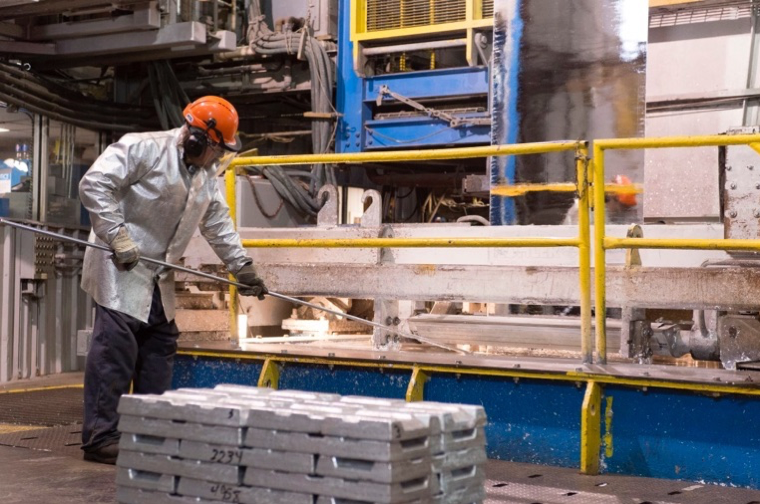
1. Understand the Main HDGL Areas
- Entry section: Coil handling, uncoiling and feeding the strip into the line.
- Furnace section: Heating the strip according to process requirements. Gas-fired equipment and hot surfaces may present hazards.
- Zinc pot: The steel strip passes through molten zinc to receive its coating.
- Coating and cooling section: Equipment controls the coating and cools the strip as designed.
- Inspection and recoiling: The finished strip is inspected and wound into a coil.
- Zinc handling and dross removal: Zinc ingots may be charged and dross may be removed under controlled procedures.
2. Major HDGL Hazards
⚠️ A. Molten Zinc and High Temperatures
- Molten zinc can cause severe burns on contact.
- Hot surfaces, splashes and hot material can injure personnel working near the zinc pot.
- Keep unauthorised persons away from the zinc pot area.
- Wear the specified heat-resistant and fire-resistant PPE for the task.
- Keep required first-aid arrangements and emergency shower facilities available in accordance with plant requirements.
- Never improvise a method of handling molten zinc or enter a restricted area without permission.
⚠️ B. Zinc Dross Removal
- Dross removal exposes workers to molten zinc and high temperatures.
- Restrict access to the zinc pot area during the activity.
- Follow the approved dross-removal procedure and use the specified long-handled jig or tool.
- Follow the prescribed restriction on zinc ingot charging during drossing.
- Do not stand in a position where splashes could reach the body or face.
- Only trained and authorised personnel may perform this task. Use mechanised or robotic removal where approved and available.
⚠️ C. Furnace and Gas Systems
- Gas leakage can create fire, explosion and exposure hazards.
- Burners, gas pipelines, blowers, pressure regulators and furnace equipment must be maintained and operated under approved procedures.
- Never search for a gas leak using a flame or operate equipment in a suspected gas-leak area.
- If a leak, abnormal gas indication or unusual burner condition is detected, raise the alarm and follow the plant emergency procedure.
- Do not operate gas isolation valves or restart burners unless authorised and trained to do so.
⚠️ D. Fire and Explosion Hazards
- High temperatures and combustible materials can increase fire risk.
- Follow hot-work permit requirements and control ignition sources.
- Keep access to emergency exits and firefighting equipment clear.
- Do not use water on molten metal or molten zinc. Contact between water and molten metal can cause a violent reaction and dangerous splashing.
- Follow the approved emergency plan and use only suitable firefighting equipment as directed by trained responders.
⚠️ E. Hot Water, Steam and Cooling Equipment
- Hot water, steam and heated equipment can cause serious scalds and burns.
- Do not open pressurised lines or remove guards while equipment is operating.
- Report leaks, damaged insulation and abnormal pressure or temperature immediately.
- Before maintenance, isolate the relevant energy and fluid sources and verify the safe condition under the approved procedure.
⚠️ F. Moving Strip, Rolls and Coil Handling
- Moving strip and rotating rolls create pinch-point and entanglement hazards.
- Coils can roll, shift or fall during lifting and transfer.
- Keep clear of moving equipment and never guide a moving strip by hand.
- Do not stand beneath suspended loads or between a moving coil and a fixed structure.
- Keep guards and safety interlocks in service. Do not bypass them to clear a jam.
3. Essential Safe Working Practices
- Follow the SOP: Work only when trained, authorised and familiar with the approved procedure.
- Wear the correct PPE: Follow the HDGL PPE matrix. The Ministry of Steel guideline identifies safety helmet, safety shoes, fire-retardant suit, hand gloves, goggles, ear plugs and dust mask for the galvanizing line as indicated in its reference matrix. Additional task-specific protection may be required.
- Control access: Respect barriers and restricted-area signs, particularly around the zinc pot and furnace.
- Inspect safety systems: Report defective guards, alarms, gas monitoring or safety interlocks.
- Use work permits: Obtain the required permit and authorisation before maintenance or other controlled work.
- Isolate energy: Apply the approved lockout/tagout and positive-isolation procedure, including electrical, mechanical, fluid and other relevant energy sources.
- Keep the area orderly: Maintain clear walkways and access to emergency equipment.
- Report unsafe conditions: Inform the shift in-charge about gas odour, suspected leakage, unusual furnace conditions, zinc splashes or damaged equipment.
4. What to Do in an Emergency
- Warn nearby personnel and raise the alarm immediately.
- Move away from the hazard using the designated escape route.
- For suspected gas leakage, do not create ignition sources or attempt unauthorised repairs. Follow the plant emergency procedure.
- For a molten-zinc splash or burn, seek emergency medical assistance immediately. Do not attempt to remove molten material stuck to the skin.
- For a chemical or hot-fluid exposure, use the designated emergency shower or eyewash as applicable and obtain medical assistance.
- Do not return to the affected area until authorised personnel declare it safe.
5. Practical HDGL Safety Scenario
Situation: During zinc dross removal, a worker notices that another person is approaching the zinc pot area without the required PPE.
Correct response:
- Warn the person to stay outside the restricted area.
- Inform the task supervisor or shift in-charge.
- Ensure the activity follows the approved procedure and access-control requirements.
- Do not continue the task if required safety controls are missing.
6. Quick Knowledge Check
- Why is access restricted during zinc dross removal?
- What should you do if you suspect a gas leak near the furnace?
- Why must water never be poured onto molten zinc?
- What must be completed before maintenance on HDGL equipment?
- What should you do if you observe a worker entering the zinc pot area without the required PPE?
Key Takeaway
Respect the zinc pot. Control gas and fire hazards. Wear the specified PPE. Isolate before maintenance. Report abnormal conditions immediately.
Reference: Ministry of Steel, Government of India, Process Based Safety Guidelines for Iron & Steel Sector, SG/38, Rev. 00, effective 12 June 2024; section 4.5, Galvanizing.
```